




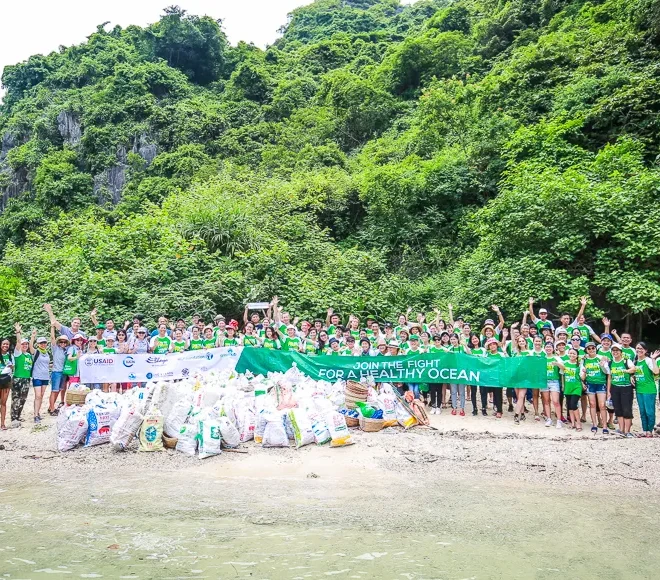
Protecting Paradise While Exploring It
Lan Ha Bay is more than a scenic backdrop of limestone karsts and emerald waters. It is a living, breathing ecosystem where marine life, coastal communities, and ancient geological formations coexist in delicate balance. As tourism grows, the question is no longer whether to visit Lan Ha Bay, but how to visit it responsibly.
Sustainable travel in Lan Ha Bay isn’t about limiting your experience—it’s about enhancing it. By choosing eco-conscious operators, respecting local ecosystems, and supporting community-driven initiatives, travelers can enjoy deeper connections with nature while ensuring the bay remains pristine for generations to come.
This comprehensive guide explores the sustainability and eco-tourism efforts shaping Lan Ha Bay, explains how conservation works on the ground, reveals how to identify genuinely green cruise operators, and provides a practical toolkit for responsible travel. Whether you’re a first-time visitor or a seasoned eco-traveler, you’ll leave with the knowledge to make a positive impact on every journey.
Why Sustainability Matters in Lan Ha Bay
A Fragile Marine Karst Ecosystem
Lan Ha Bay’s landscape was shaped over millions of years through chemical dissolution, tidal erosion, and tectonic uplift. The limestone formations are porous, sensitive to acidification, and home to specialized flora and fauna that cannot survive elsewhere. The bay’s shallow lagoons, coral patches, mangrove fringes, and tidal flats form interconnected habitats that support hundreds of marine species.
Tourism Pressure & Environmental Vulnerability
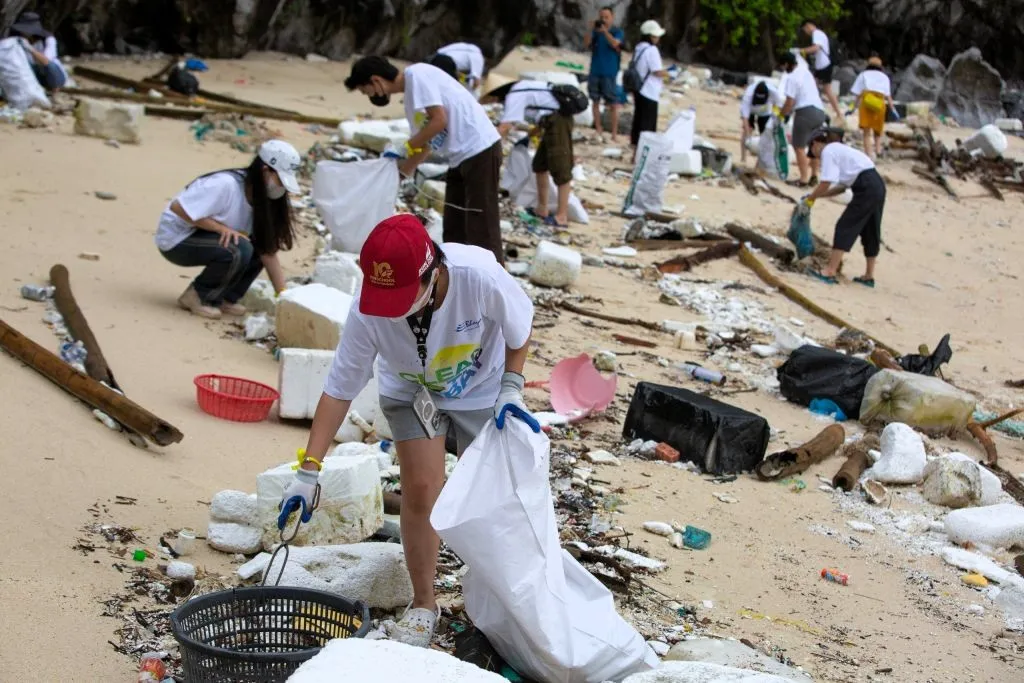
Without careful management, increased boat traffic, improper waste disposal, anchor damage to seabeds, and unregulated visitor behavior can quickly degrade water quality, disturb wildlife, and erode cultural authenticity. Lan Ha Bay’s proximity to heavily visited regions means it faces similar pressures, but its later development has allowed conservation to be integrated from the start rather than added as an afterthought.
The Eco-Tourism Imperative
Sustainable tourism in Lan Ha Bay aims to:
- Preserve water quality and marine biodiversity
- Protect terrestrial habitats on limestone islands
- Maintain cultural integrity of fishing communities
- Minimize carbon and waste footprints from cruise operations
- Ensure tourism revenue directly supports conservation and local livelihoods
By aligning visitor behavior with ecological limits, Lan Ha Bay demonstrates how tourism can be a catalyst for preservation rather than depletion.
Core Eco-Tourism & Conservation Initiatives in Lan Ha Bay
🌊 Regulatory Framework & Carrying Capacity Management
Local authorities and park management have implemented structured guidelines to prevent overtourism:
- Visitor capacity limits at sensitive anchorages and beaches
- No-anchor zones in coral-rich and seagrass areas to prevent seabed destruction
- Speed restrictions for motorized vessels to reduce wake erosion and marine mammal disturbance
- Designated waste collection points on larger islands with mandatory offloading protocols
- Mandatory environmental compliance for all licensed cruise operators
These measures ensure that tourism scales responsibly, prioritizing ecological health over volume.
⛵ Cruise Operator Innovations & Green Practices
Forward-thinking cruise companies operating in Lan Ha Bay have integrated sustainability into their core operations:
- Advanced wastewater treatment systems that meet or exceed marine discharge standards
- Solar panel integration for auxiliary power, reducing diesel generator reliance
- Single-use plastic elimination across cabins, dining, and excursions
- Biodegradable cleaning products and reef-safe toiletries provided to guests
- Locally sourced menus featuring seasonal produce, sustainable seafood, and fair-trade ingredients
- Crew environmental training covering wildlife protection, waste segregation, and emergency spill response
Many vessels now publish annual sustainability reports, transparently sharing metrics on water usage, waste diversion, and carbon reduction.
🐚 Marine & Terrestrial Conservation Programs
Conservation efforts extend beyond cruise operations into active ecosystem restoration:
- Coral fragment transplantation in sheltered bays to rebuild damaged reef structures
- Mangrove replanting initiatives that stabilize coastlines and provide nursery habitats for fish
- Tidal zone monitoring tracking water quality, species diversity, and sediment accumulation
- Invasive species management on smaller islands to protect native vegetation
- Wildlife disturbance protocols ensuring breeding grounds, bird nesting sites, and monkey habitats remain undisturbed
These programs are often funded through a combination of tourism fees, operator contributions, and conservation grants.
🏘️ Community-Based Tourism & Cultural Preservation
Sustainability in Lan Ha Bay includes the people who call it home:
- Fair-wage employment for local fishermen, guides, and hospitality staff
- Viet Hai Village partnerships that channel tourism revenue into infrastructure, education, and healthcare
- Cultural exchange programs where visitors learn traditional fishing, weaving, and cooking from residents
- Floating village visitor guidelines that prevent overcrowding and respect daily routines
- Artisan cooperatives selling handmade goods directly to travelers, bypassing middlemen
When communities thrive economically, they become active stewards of their environment, creating a self-reinforcing cycle of conservation and prosperity.
How to Choose a Genuinely Eco-Friendly Lan Ha Bay Cruise
Not all “green” claims are equal. Use this practical checklist to verify sustainability before booking:
✅ What to Look For
- Transparent environmental policies published on the operator’s website
- Certifications or memberships in recognized eco-tourism or marine conservation networks
- Detailed waste management protocols (e.g., “zero single-use plastic,” “100% wastewater treated onboard”)
- Clear community impact statements showing local hiring, fair wages, and village partnerships
- Educational components like naturalist guides, conservation briefings, or citizen science opportunities
- Real-time itinerary flexibility to avoid ecologically sensitive areas during breeding or storm seasons
🚩 Red Flags & Greenwashing Tactics
- Vague terms like “eco-friendly” or “green cruise” without specific practices listed
- Claims of carbon neutrality without explaining measurement, reduction, or offset methodology
- “Plastic-free” marketing but still providing bottled water or single-use toiletries
- No mention of local community involvement or staff training
- Refusal to answer direct questions about waste handling, water discharge, or anchoring policies
🔍 Questions to Ask Before Booking
- How is wastewater treated and disposed of during the cruise?
- What percentage of your crew and guides are from local communities?
- Do you use mooring buoys instead of dropping anchors in sensitive zones?
- Can you share your latest sustainability metrics or environmental report?
- How do you handle emergency waste or spill situations at sea?
Reputable operators will answer these questions clearly and proudly.
The Responsible Traveler’s Action Guide for Lan Ha Bay
Your behavior directly impacts the bay’s health. Follow these actionable steps to travel sustainably:
🌿 Before You Go
- Book with verified eco-conscious operators
- Pack reef-safe sunscreen (zinc oxide or titanium dioxide based, oxybenzone-free)
- Bring a reusable water bottle, utensil set, and cloth shopping bag
- Research local customs and floating village etiquette
- Choose lightweight, quick-dry clothing to reduce laundry frequency onboard
🛥️ Onboard Practices
- Use water and electricity mindfully; cabins run on limited power systems
- Participate in waste segregation if provided (organic, recyclable, non-recyclable)
- Attend environmental briefings and follow all guide instructions
- Avoid requesting daily towel/linen changes; reuse where possible
- Support onboard sustainability initiatives (e.g., tree planting donations, conservation funds)
🌊 During Excursions
- Stay on marked paths during island hikes to prevent soil erosion
- Never touch, feed, or approach marine life or wild animals
- Use mooring lines or designated kayaking zones; avoid anchoring manually
- Leave shells, rocks, coral fragments, and driftwood exactly where you find them
- Photograph responsibly; avoid using drones near wildlife or residential areas
🤝 Engaging with Communities
- Ask permission before photographing residents or private spaces
- Purchase goods directly from artisans and fishermen
- Respect quiet hours and daily routines in floating villages
- Learn basic Vietnamese greetings; cultural respect builds mutual trust
- Avoid bargaining aggressively; fair pricing supports livelihood sustainability
Sustainable Activities That Support Conservation in Lan Ha Bay
Choose experiences that minimize impact while maximizing positive outcomes:
🛶 Low-Impact Water Exploration
- Guided kayaking through sheltered lagoons with naturalist commentary
- Stand-up paddleboarding in calm morning waters with wildlife spotting
- Snorkeling with eco-guides who explain coral health and marine behavior
- Tidal flat walks at low tide to observe crabs, mollusks, and seabirds
🌳 Land-Based Eco-Experiences
- Jungle trekking in Cat Ba National Park with licensed local guides
- Mangrove restoration volunteering (seasonal, operator-organized)
- Village cycling tours supporting community-owned bike rentals and cafes
- Traditional craft workshops preserving weaving, pottery, and fishing techniques
📚 Educational & Citizen Science Programs
- Marine biology briefings onboard covering water testing and species identification
- Photography documentation projects contributing to conservation databases
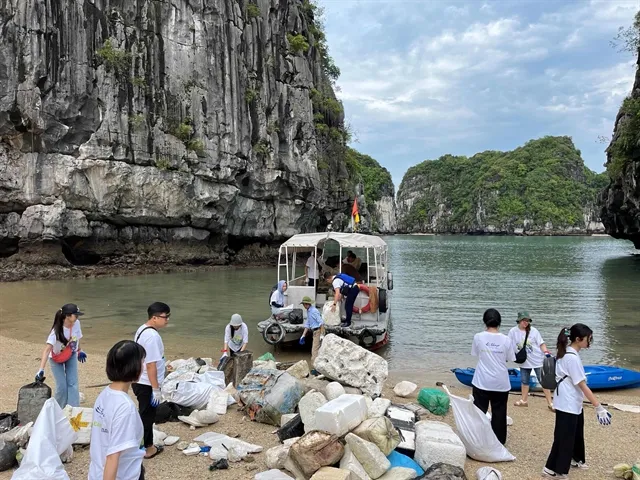
- Beach cleanup participation coordinated with local environmental groups
- Sustainable cooking classes using locally sourced, seasonal ingredients
These activities deepen your understanding of the ecosystem while ensuring your visit contributes to its protection.
Spotting Greenwashing: How to Verify Authentic Eco-Claims
The travel industry increasingly uses sustainability as a marketing tool. Protect yourself and the environment by applying these verification steps:
- Demand Specifics: “Eco-friendly” means nothing without details. Look for measurable targets (e.g., “reduced diesel consumption by 30%,” “diverted 90% of waste from landfills”).
- Check Third-Party Validation: Certifications from recognized environmental or tourism boards carry more weight than self-declared labels.
- Review Crew Training: Genuine eco-operators invest in continuous staff education. Ask about their environmental training programs.
- Analyze Supply Chains: Sustainable tourism extends to food sourcing, cleaning products, and maintenance. Operators should disclose local partnerships and biodegradable product use.
- Monitor Consistency: Greenwashing often appears in marketing but disappears in practice. Read recent guest reviews focusing on waste, plastic use, and guide behavior.
When an operator welcomes scrutiny and provides transparent answers, you’ve likely found a true sustainability partner.
The Future of Eco-Tourism in Lan Ha Bay
Ongoing Challenges
- Climate change impacts: Rising sea temperatures, altered tidal patterns, and increased storm frequency threaten coral and mangrove resilience.
- Balancing revenue and restriction: Limiting visitor numbers protects ecosystems but requires careful economic planning for local communities.
- Scaling sustainable technology: Solar integration, advanced water treatment, and zero-waste systems require significant investment for smaller operators.
- Enforcement consistency: Ensuring all licensed vessels comply with environmental standards demands continuous monitoring and accountability.
Positive Trajectory
- Traveler demand driving change: Guests increasingly prioritize sustainability, pushing operators to adopt greener practices.
- Technology integration: Real-time water quality sensors, GPS tracking for anchor zones, and digital waste monitoring are becoming standard.
- Community leadership: Local residents are taking active roles in conservation, guiding, and eco-education, ensuring cultural authenticity remains intact.
- Policy evolution: Stricter environmental compliance requirements and carrying capacity frameworks are being refined based on scientific data and operator feedback.
Lan Ha Bay is transitioning from a passive natural wonder to an actively managed eco-tourism model. Your choices as a traveler directly influence which direction this transformation takes.
Frequently Asked Questions: Sustainability & Eco-Tourism in Lan Ha Bay
Q: What makes a cruise truly “eco-friendly” in Lan Ha Bay?
A: A genuine eco-cruise minimizes environmental impact through advanced wastewater treatment, plastic elimination, renewable energy use, local sourcing, certified crew training, and transparent reporting. Marketing claims must be backed by verifiable practices.
Q: Are there eco-certifications I should look for when booking?
A: While Vietnam’s certification landscape is evolving, look for operators affiliated with recognized sustainable tourism networks, marine conservation partnerships, or transparent environmental reporting frameworks. Ask directly for their sustainability policy documentation.
Q: Can my visit actually help conservation efforts?
A: Yes. By choosing responsible operators, participating in eco-activities, supporting local communities, and following environmental guidelines, your tourism spending funds conservation programs, creates green jobs, and incentivizes sustainable practices across the industry.
Q: Is snorkeling safe for coral reefs in Lan Ha Bay?
A: Yes, when done responsibly. Use reef-safe sunscreen, avoid touching or standing on coral, maintain buoyancy control, and follow guide instructions. Eco-guides will direct you to resilient reef zones and explain proper observation techniques.
Q: How does Lan Ha Bay handle waste from cruise boats?
A: Reputable operators segregate waste onboard, treat wastewater through certified filtration systems, and offload recyclables and non-biodegradables at designated port facilities. Organic waste is composted or processed according to environmental regulations.
Q: Are floating villages being negatively impacted by tourism?
A: When managed responsibly, tourism supports floating villages through fair income, infrastructure improvements, and cultural preservation. Problems arise only when visitor numbers exceed capacity or behavioral guidelines are ignored. Choose operators that enforce respectful visitation protocols.
Q: What happens if a cruise violates environmental regulations?
A: Licensed operators face inspections, fines, suspension, or revocation of operating permits. Environmental compliance is increasingly monitored through GPS tracking, waste documentation, and guest feedback mechanisms.
Q: Can I volunteer for conservation during my trip?
A: Some operators organize seasonal activities like mangrove planting, beach cleanups, or marine monitoring. Check with your cruise provider in advance to align your visit with available eco-initiatives.
Final Thoughts: Travel Light, Leave a Positive Footprint
Sustainability in Lan Ha Bay isn’t about sacrifice—it’s about intention. Every responsible choice you make, from the cruise you book to the sunscreen you apply, directly influences the health of this extraordinary ecosystem. By aligning your travel values with conservation practices, you transform from a passive visitor into an active steward of one of Vietnam’s most pristine natural treasures.
Lan Ha Bay’s limestone pillars have stood for millions of years. Its waters have sustained coastal communities for generations. The next chapter of its story will be written by travelers who understand that true exploration means protecting what we love.
Ready to Experience Lan Ha Bay Responsibly?
- Research thoroughly: Prioritize operators with transparent sustainability practices
- Pack consciously: Bring reef-safe products, reusable items, and minimal waste
- Engage respectfully: Follow guide instructions, support local communities, and observe wildlife responsibly
- Share knowledge: Encourage fellow travelers to adopt eco-friendly habits
- Book with purpose: Choose experiences that fund conservation and empower local stewards
The bay awaits. Tread lightly, travel mindfully, and let your journey be part of Lan Ha Bay’s lasting legacy. 🌊🌿⛵
Comments