




Two Bays, One Unforgettable Journey
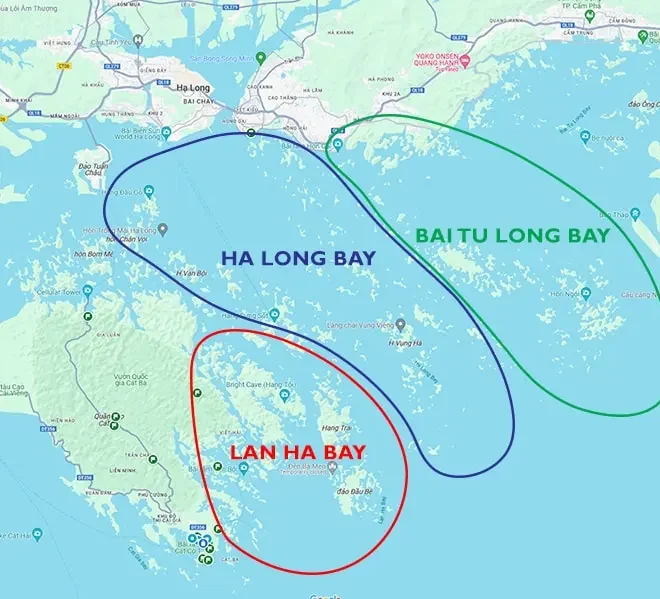
When planning a trip to northern Vietnam, travelers face a common dilemma: Should I visit Ha Long Bay or Lan Ha Bay?
Both destinations showcase the iconic limestone karsts, emerald waters, and breathtaking scenery that have made Vietnam’s Gulf of Tonkin famous worldwide. Both are UNESCO-recognized geological wonders. Both offer unforgettable cruise experiences, fresh seafood, and cultural encounters.
Yet despite their proximity and similar landscapes, Lan Ha Bay and Ha Long Bay offer distinctly different experiences. One is the world-famous icon, bustling with activity and global recognition. The other is the emerging hidden gem, offering tranquility, pristine waters, and a more intimate connection with nature.
This comprehensive guide breaks down the key differences between Lan Ha Bay and Ha Long Bay across every dimension that matters to travelers: location, crowds, water quality, activities, cruise options, pricing, accessibility, sustainability, and overall experience. By the end, you’ll know exactly which bay aligns with your travel style, budget, and expectations.
Quick Comparison Table: Lan Ha Bay vs. Ha Long Bay at a Glance
| Feature | Lan Ha Bay | Ha Long Bay |
|---|---|---|
| Location | South/East of Cat Ba Island, Hai Phong | Quang Ninh Province, near Ha Long City |
| UNESCO Status | Part of Cat Ba Archipelago Biosphere Reserve | UNESCO World Heritage Site (1994, 2000) |
| Crowd Level | Low to moderate; peaceful anchorages | High; busy routes, crowded viewpoints |
| Water Clarity | Excellent; turquoise, clear, ideal for swimming | Good to moderate; can be murky near ports |
| Number of Islands | ~400 limestone islands/islets | ~1,600 islands and karsts |
| Beach Quality | Pristine, secluded, less developed | Some beautiful beaches; many are crowded |
| Cruise Fleet | Newer vessels, modern amenities | Mix of new luxury and older traditional boats |
| Price Range | Mid to high; good value for quality | Budget to ultra-luxury; widest price range |
| Activities | Kayaking, climbing, swimming, village visits | Similar + more commercialized options |
| Accessibility | Via Cat Ba Island or Hai Phong (2.5-3h from Hanoi) | Direct from Ha Long City (2-2.5h from Hanoi) |
| Best For | Travelers seeking tranquility, authenticity, eco-tourism | First-time visitors, iconic photos, variety of options |
1. Location & Geography: Where Exactly Are They?
Ha Long Bay: The Famous Icon
Ha Long Bay lies in Quang Ninh Province, approximately 170 kilometers east of Hanoi. It covers about 1,553 square kilometers with nearly 1,600 limestone islands and islets. The bay is easily accessed from Ha Long City, a developed tourist hub with hotels, restaurants, and transportation links.
Key landmarks in Ha Long Bay:
- Sung Sot Cave (Surprise Cave)
- Ti Top Island
- Dau Go Cave
- Luon Cave
- Floating villages like Cua Van
Lan Ha Bay: The Serene Neighbor
Lan Ha Bay is situated to the south and east of Cat Ba Island, in Hai Phong City. It spans roughly 7,000 hectares (27 square miles) with around 400 limestone formations. Though geologically continuous with Ha Long Bay, it falls under different administrative management and experiences less tourism pressure.
Key landmarks in Lan Ha Bay:
- Ba Trai Dao Beach (Three Peaches Beach)
- Viet Hai Floating Village
- Dark Cave (Hang Toi)
- Van Boi Beach
- Cat Dua Island
The Geographic Connection: Importantly, Lan Ha Bay and Ha Long Bay are part of the same geological formation—the Cat Ba Archipelago. Many cruise itineraries actually visit both bays, especially those departing from Cat Ba Island. The boundary between them is more administrative than physical, meaning you can experience the best of both worlds on a single trip.
2. Crowds & Atmosphere: Peace vs. Popularity
Ha Long Bay: Bustling and Iconic
As one of Vietnam’s most famous destinations, Ha Long Bay attracts over 6 million visitors annually. This popularity brings:
- Multiple cruise boats anchored at popular sites
- Busy kayak routes with groups navigating together
- Crowded viewpoints and caves during peak hours
- A lively, energetic atmosphere
- More commercialized experiences (souvenir shops, photo ops)
Best for travelers who:
- Don’t mind sharing scenic moments with others
- Enjoy a vibrant, social travel environment
- Want the “classic” Vietnam bucket-list experience
- Appreciate having many service options nearby
Lan Ha Bay: Tranquil and Intimate
Lan Ha Bay receives significantly fewer visitors, creating a markedly different atmosphere:
- Peaceful anchorages with only a handful of boats
- Quiet beaches where you might be the only visitors
- Serene kayaking through untouched lagoons
- Space to hear natural sounds: waves, birds, wind
- A sense of discovery and exclusivity
Best for travelers who:
- Seek relaxation and mental reset
- Prefer authentic, off-the-beaten-path experiences
- Value privacy and intimate moments with nature
- Want to escape the “tourist trail” feeling
Pro Tip: If you visit Ha Long Bay but crave tranquility, choose an overnight cruise that ventures into Lan Ha Bay waters for sunset and sunrise—many premium itineraries do exactly this.
3. Water Quality & Swimming Experience
Ha Long Bay: Good, But Variable
Water quality in Ha Long Bay varies by location and season:
- Near Ha Long City and main routes: Can experience sediment runoff, boat traffic, and occasional pollution
- In protected areas and outer zones: Clearer water suitable for swimming
- Visibility: Typically 2-5 meters, depending on weather and tides
- Swimming spots: Designated areas at Ti Top Island, some beaches
Lan Ha Bay: Exceptionally Clear and Clean
Lan Ha Bay consistently offers superior water conditions:
- Crystal-clear visibility: Often 5-10 meters, ideal for snorkeling
- Minimal pollution: Less industrial activity and fewer boats
- Natural tidal flushing: Strong currents from the Gulf of Tonkin keep waters fresh
- Protected swimming areas: Multiple pristine beaches with calm, safe conditions
- Marine life visibility: Better opportunities to spot fish, coral, and underwater formations
For swimmers, snorkelers, and water photographers: Lan Ha Bay provides a noticeably better experience. The water’s clarity enhances every activity, from a refreshing dip to capturing underwater memories.
4. Cruise Options & Onboard Experience
Ha Long Bay: Maximum Variety
Ha Long Bay’s mature tourism industry offers the widest selection of cruises:
- Budget day cruises: $25-50 USD, basic amenities
- Mid-range overnight: $80-150 USD, comfortable cabins
- Luxury vessels: $200-400 USD, premium service
- Ultra-luxury: $500+ USD, butler service, spa, gourmet dining
- Traditional junk boats: Authentic wooden designs
- Modern ships: Contemporary amenities and stability
Advantages:
- More options to match any budget
- Established companies with proven track records
- Greater flexibility in itinerary customization
- More departure times and last-minute availability
Lan Ha Bay: Quality Over Quantity
Lan Ha Bay’s cruise fleet is smaller but notably modern:
- Fewer budget options: Most vessels target mid to luxury segments
- Newer ships: Many built specifically for Lan Ha Bay in recent years
- Eco-focused designs: Solar power, wastewater treatment, sustainable materials
- Intimate capacity: Smaller passenger counts for personalized service
- Innovative itineraries: More time for kayaking, village visits, hidden beaches
Advantages:
- Higher average quality across the fleet
- Less wear-and-tear on vessels
- More attention to environmental standards
- Greater focus on experience over volume
Insider Note: Many “Ha Long Bay cruises” actually spend significant time in Lan Ha Bay waters, especially for overnight itineraries. When booking, ask specifically: “Does this cruise visit Lan Ha Bay?” to ensure you experience both.
5. Activities & Experiences: What Can You Do?
Shared Activities (Both Bays)
Both destinations offer core experiences:
- Scenic cruising among limestone karsts
- Kayaking through caves and lagoons
- Visiting floating fishing villages
- Swimming at designated beaches
- Cave exploration (Sung Sot in Ha Long; Dark Cave in Lan Ha)
- Tai Chi sessions at sunrise on deck
- Vietnamese cooking classes onboard
- Sunset parties and night squid fishing
Ha Long Bay: More Commercialized Options
Ha Long Bay’s developed infrastructure enables additional activities:
- Cable car rides on Titop Island
- Seaplane tours for aerial views
- Larger-scale cultural performances
- More souvenir shopping opportunities
- Organized group excursions with guides
- Easier access to land-based attractions near Ha Long City
Lan Ha Bay: More Authentic & Nature-Focused
Lan Ha Bay emphasizes immersive, low-impact experiences:
- Rock climbing on world-class limestone cliffs (less crowded routes)
- Visiting Viet Hai Village by bicycle through jungle trails
- Kayaking through hidden lagoons inaccessible to large boats
- Beach picnics on secluded, undeveloped shores
- Snorkeling in clearer waters with better marine visibility
- Photography workshops taking advantage of pristine landscapes
- Community-based tourism supporting local fishermen and families
For adventure seekers and culture enthusiasts: Lan Ha Bay often provides more meaningful, less scripted interactions with nature and local communities.
6. Pricing & Value: What’s the Real Cost?
Ha Long Bay: Wider Price Range
Ha Long Bay accommodates every budget:
- Budget travelers: Can find day cruises from $25-40 USD
- Mid-range: Comfortable overnight experiences $80-150 USD
- Luxury: Premium vessels $200-400+ USD
- Hidden costs: Transfers, drinks, tips, optional activities
Value considerations:
- More competition can drive down prices
- Older vessels may offer lower rates but fewer amenities
- Peak season pricing applies to all categories
Lan Ha Bay: Premium Positioning
Lan Ha Bay cruises typically position in mid to luxury segments:
- Few budget options: Most overnight cruises start around $100 USD
- Mid-range sweet spot: $120-250 USD for excellent quality
- Luxury experiences: $300-600+ USD for top-tier service
- Often includes more: Many packages bundle transfers, activities, and meals
Value considerations:
- Higher average price but often better included value
- Newer vessels mean fewer maintenance issues
- Smaller groups enable more personalized attention
- Less time spent navigating crowds = more time enjoying experiences
Budget Traveler Tip: If Lan Ha Bay’s prices seem high, consider a day cruise from Cat Ba Island ($30-50 USD) to experience the bay’s beauty without overnight costs.
7. Accessibility & Logistics: Getting There
Ha Long Bay: Straightforward Access
- From Hanoi: 2-2.5 hours by shuttle bus or private car
- Departure point: Tuan Chau Marina or Ha Long International Cruise Port
- Transport options: Frequent shuttles, taxis, ride-hailing apps
- Infrastructure: Well-developed roads, clear signage, tourist services
Lan Ha Bay: Slightly More Adventure
- From Hanoi: 2.5-3 hours total (road + boat transfer)
- Two main routes:
- Hanoi → Hai Phong → Got Harbor → Speedboat to Lan Ha Bay
- Hanoi → Cat Ba Island → Ben Beo Harbor → Local boat to Lan Ha Bay
- Most cruises include transfers: Simplifies logistics significantly
- Scenic bonus: The journey via Cat Ba Island adds beautiful coastal views
Reality Check: The extra 30-60 minutes to reach Lan Ha Bay is negligible compared to the overall experience. Most travelers find the slightly longer journey well worth the payoff in tranquility and scenery.
8. Sustainability & Environmental Impact
Ha Long Bay: Managing Mass Tourism
As a UNESCO World Heritage Site, Ha Long Bay faces significant environmental pressures:
- High boat traffic contributing to water pollution
- Waste management challenges with millions of annual visitors
- Erosion and damage at popular caves and beaches
- Ongoing government efforts to regulate and protect the area
Positive developments:
- Stricter regulations on cruise operations
- Investment in wastewater treatment
- Limits on daily visitor numbers at sensitive sites
- Growing awareness among operators about sustainability
Lan Ha Bay: Built for Responsible Tourism
Lan Ha Bay benefits from later development, allowing sustainability to be integrated from the start:
- Fewer visitors naturally reduce environmental pressure
- Newer vessels incorporate eco-friendly technologies
- Strict anchoring rules protect coral and seabed ecosystems
- Community partnerships ensure tourism benefits local residents
- Conservation programs actively restore mangroves and marine habitats
For eco-conscious travelers: Lan Ha Bay offers a more aligned experience with sustainable travel values, though responsible choices matter in either destination.
9. Best Time to Visit: Does Timing Matter?
Both bays share the same tropical monsoon climate, so seasonal considerations apply equally:
Ideal Months for Both: September-November & March-May
- Pleasant temperatures: 20-28°C (68-82°F)
- Lower humidity and rainfall
- Clear skies for photography
- Calm seas for cruising and water activities
Summer (June-August): Hot but Vibrant
- Warm water perfect for swimming
- Longer daylight hours
- Occasional afternoon showers or typhoons
- Peak domestic tourism in July-August
Winter (December-February): Cool and Dramatic
- Cooler temperatures: 15-20°C (59-68°F)
- Occasional fog creates mystical landscapes
- Fewer international tourists
- Some activities may be weather-dependent
Key Difference: Because Lan Ha Bay is less crowded, visiting during peak seasons (summer, holidays) feels more manageable than in Ha Long Bay, where popular sites can become congested.
Which Bay Should YOU Choose? Decision Guide
Choose Ha Long Bay If:
✅ It’s your first time in northern Vietnam and you want the iconic experience
✅ You’re on a tight budget and need maximum option flexibility
✅ You enjoy vibrant atmospheres and don’t mind crowds
✅ You want easy access to land-based attractions near Ha Long City
✅ You prefer having many last-minute booking options
✅ You’re traveling with a large group needing varied itineraries
Choose Lan Ha Bay If:
✅ You prioritize tranquility, privacy, and natural beauty
✅ You want clearer water for swimming, snorkeling, or photography
✅ You value sustainability and eco-friendly tourism practices
✅ You’re seeking a more authentic, less commercialized experience
✅ You don’t mind spending slightly more for higher average quality
✅ You’re combining your cruise with exploration of Cat Ba Island
Best of Both Worlds Strategy:
Many travelers don’t realize they can experience both bays on a single cruise. Look for itineraries that:
- Depart from Cat Ba Island (accessing Lan Ha Bay first)
- Include “Lan Ha Bay” in the route description
- Offer 2-night cruises that explore multiple areas
- Specify visits to both famous Ha Long landmarks and secluded Lan Ha beaches
This approach gives you the iconic photo opportunities of Ha Long Bay plus the peaceful immersion of Lan Ha Bay—maximizing your Vietnam experience.
Frequently Asked Questions: Lan Ha Bay vs. Ha Long Bay
Q: Is Lan Ha Bay part of Ha Long Bay?
A: Geologically, yes—they’re part of the same limestone karst formation. Administratively, no: Ha Long Bay is in Quang Ninh Province, while Lan Ha Bay falls under Hai Phong City. Many cruise itineraries visit both.
Q: Which bay has better beaches?
A: Lan Ha Bay generally offers more pristine, secluded beaches with clearer water and fewer visitors. Ha Long Bay has beautiful beaches too, but they tend to be more developed and crowded.
Q: Can I see the same limestone karsts in both bays?
A: Yes! The dramatic limestone formations are part of the same geological system. The visual experience is remarkably similar; the difference lies in crowd levels and water clarity.
Q: Are cruises in Lan Ha Bay more expensive?
A: On average, yes—but you often get newer vessels, better included amenities, and a more peaceful experience. Budget options exist in both bays; compare inclusions, not just price.
Q: Is one bay safer than the other?
A: Both are very safe for tourists. Standard precautions apply: follow crew instructions, wear life jackets when kayaking, and be mindful of tides and weather.
Q: Which bay is better for photography?
A: Both are stunning, but Lan Ha Bay’s clearer water and fewer boats make it easier to capture pristine, crowd-free shots—especially at sunrise and sunset.
Q: Do I need to choose just one?
A: Not necessarily! Many 2-night cruises explore both bays. If time allows, this is the ideal way to experience the full diversity of the region.
Q: Which bay is better for families with children?
A: Both work well. Ha Long Bay offers more infrastructure and activity variety; Lan Ha Bay provides calmer waters and less chaotic environments. Choose based on your family’s preferences.
Q: Can I visit Lan Ha Bay independently without a cruise?
A: Yes, but options are limited. You can stay on Cat Ba Island and book day trips, or arrange private boat hires. However, overnight cruises remain the most immersive and convenient way to experience the bay.
Q: Will I miss out if I skip Ha Long Bay?
A: Not really. Lan Ha Bay offers the same breathtaking scenery with added tranquility. Unless you specifically want to visit Ha Long Bay’s famous caves and landmarks, Lan Ha Bay delivers an equally memorable—and often more relaxing—experience.
Final Verdict: Making Your Decision with Confidence
Choosing between Lan Ha Bay and Ha Long Bay isn’t about finding a “winner”—it’s about aligning your destination with your travel priorities.
If you dream of iconic photos, maximum options, and don’t mind sharing the view: Ha Long Bay delivers the classic Vietnam experience you’ve seen in travel magazines.
If you crave tranquility, pristine nature, and a more intimate connection with the landscape: Lan Ha Bay offers the same spectacular scenery with the gift of space, silence, and serenity.
If you want both: Seek a cruise itinerary that explores both bays, giving you the best of each world.
Regardless of your choice, you’re in for an unforgettable journey. The towering limestone karsts, emerald waters, and warm Vietnamese hospitality await. The only wrong decision is not visiting at all.
Ready to Explore? Next Steps for Your Trip
- Define your priorities: Tranquility vs. variety? Budget vs. luxury? Adventure vs. relaxation?
- Check cruise itineraries carefully: Look for mentions of “Lan Ha Bay” if that’s your preference
- Book in advance: Especially for peak seasons (September-November, March-May)
- Pack wisely: Swimwear, reef-safe sunscreen, light jacket, camera, and an open heart
- Embrace the journey: However you experience these bays, let yourself be amazed by nature’s masterpiece
Your Vietnam coastal adventure starts now. Whether you anchor in the peaceful waters of Lan Ha Bay or cruise the iconic routes of Ha Long Bay, you’re about to create memories that will last a lifetime.
Safe travels, and may your days on the bay be filled with wonder, calm, and breathtaking beauty. 🌊⛵✨
Comments