Rock Climbing in Lan Ha Bay: The Ultimate Adventure Guide for Thrill-Seekers
9 Min Read
14689 Views
Table of Contents
Where Limestone Meets the Sea
Lan Ha Bay is widely celebrated for its emerald waters, secluded beaches, and serene cruise itineraries. But beneath its postcard-perfect surface lies a playground that draws adrenaline junkies from across the globe: world-class limestone rock climbing.
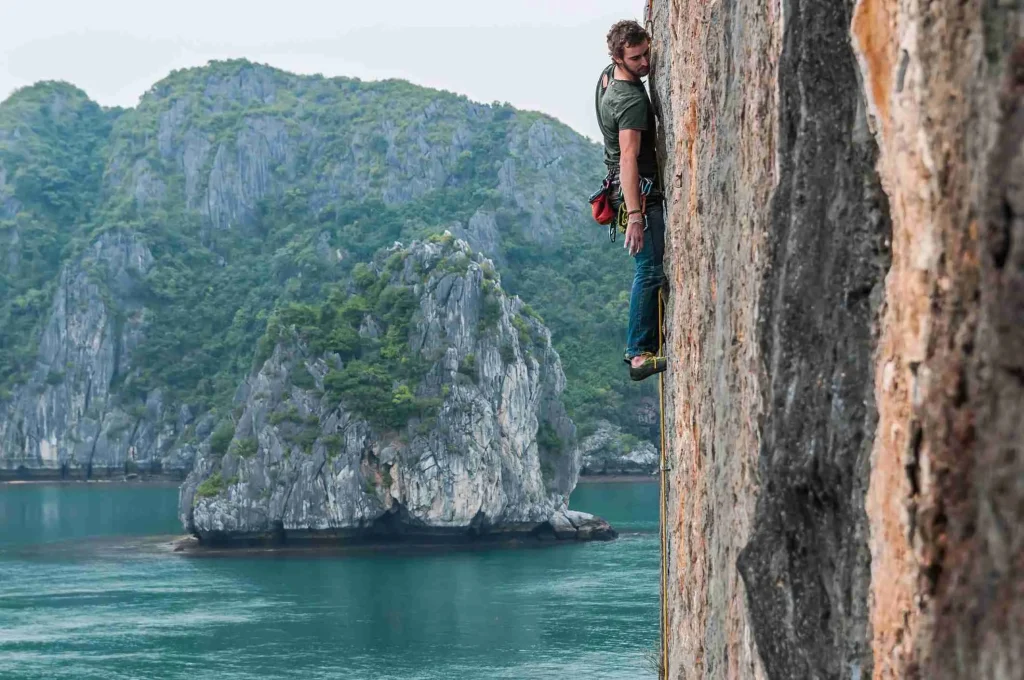
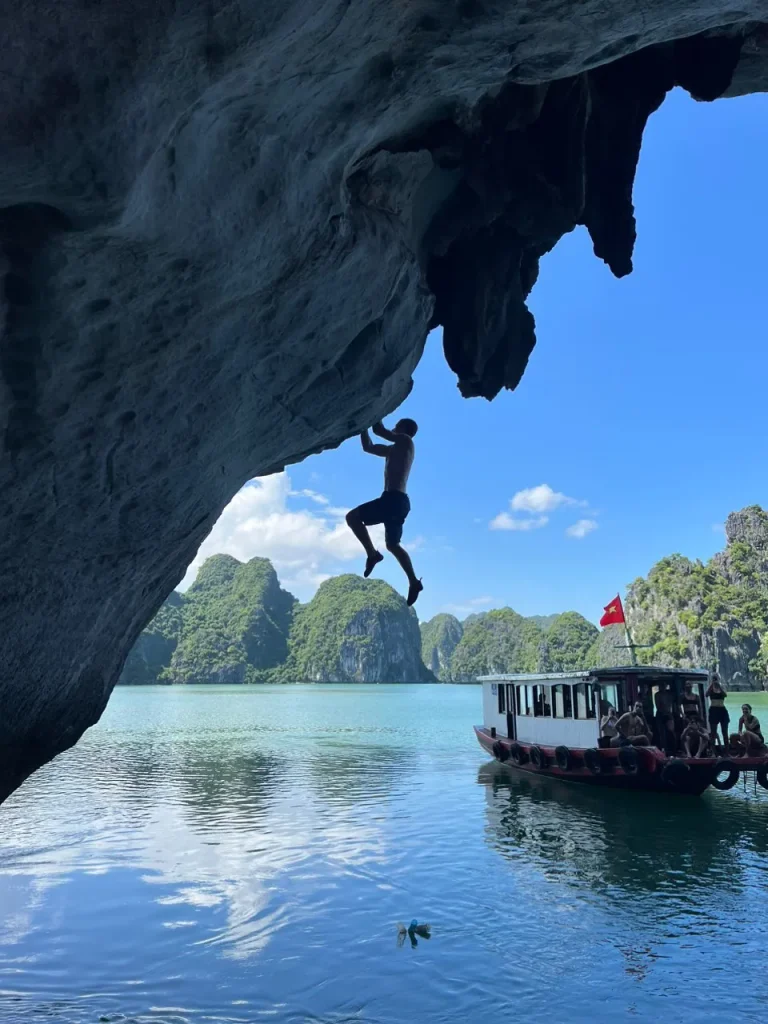
Rising directly from the Gulf of Tonkin, hundreds of limestone karsts in the Lan Ha Bay and Cat Ba Island archipelago offer some of Southeast Asia’s most scenic and technically diverse climbing. From gentle beginner slabs to gravity-defying overhangs, from multi-pitch traditional routes to breathtaking deep-water soloing above turquoise lagoons, this region has quietly earned a reputation among international climbers as a must-visit destination.
Whether you’re a first-time climber seeking a guided introduction to the sport or an experienced alpinist chasing vertical limestone in a tropical setting, this comprehensive guide covers everything you need to plan a safe, rewarding, and environmentally responsible climbing adventure in Lan Ha Bay.
Why Rock Climb in Lan Ha Bay?
🧗 Unmatched Geological Features
The limestone formations in Lan Ha Bay are over 500 million years old, shaped by tropical weathering, tidal erosion, and chemical dissolution. This process creates:
Porous, textured surfaces that offer exceptional friction and grip
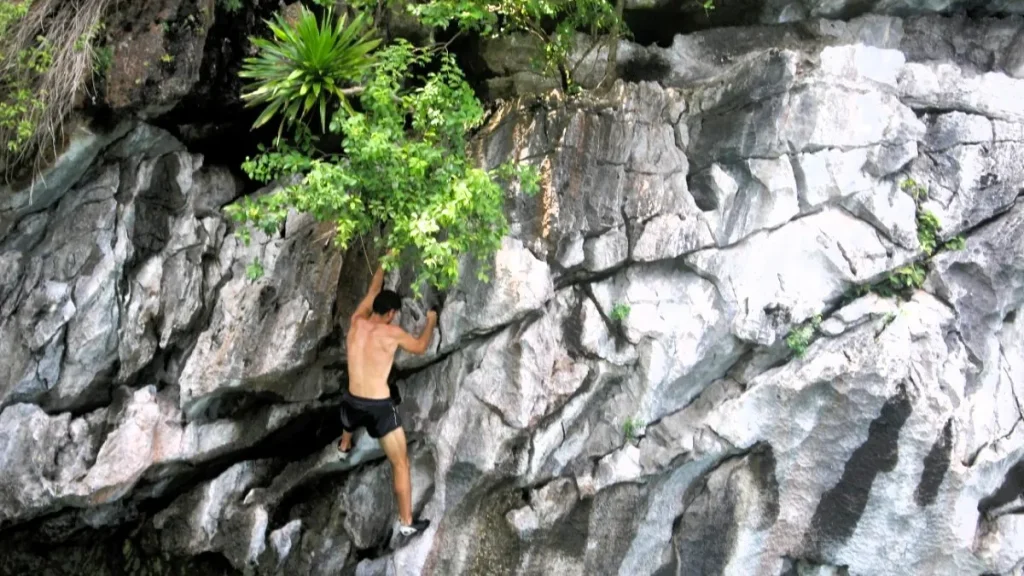
Natural pockets, edges, and cracks perfect for traditional and sport climbing
Diverse angles ranging from slabby face climbs to steep roofs and tufas
Marine-influenced rock that dries quickly and holds bolts securely
🌊 Unique Climbing Formats
Unlike inland crags, Lan Ha Bay offers rare combinations:
Sport Climbing: Pre-bolted routes on accessible islands and mainland sectors
Traditional Climbing: Clean protection placements in natural cracks and fissures
Deep Water Soloing (DWS): Ropeless climbing over deep, sheltered water with boat spotting
Multi-Pitch & Adventure Climbing: Longer routes with belay stations and exposed traverses
Compared to heavily commercialized climbing hubs, Lan Ha Bay remains relatively untouched. You’ll often share crags with only a handful of local and international climbers, enjoying quiet approaches, pristine rock, and uninterrupted panoramic views of the bay.
📸 Scenic Reward Beyond the Send
Every route ends with a view. Whether you’re topping out on a jungle-draped karst or dangling your feet over crystal-clear water, the visual payoff is unparalleled. The combination of physical challenge and natural beauty creates a deeply immersive adventure experience.
Top Climbing Areas & Route Breakdown
Climbing in Lan Ha Bay is primarily accessed via Cat Ba Island as a base, with many sectors located on surrounding islets requiring short boat transfers.
🏝️ Cat Ba Island Mainland Sectors
The largest concentration of established routes sits on the southern and eastern edges of Cat Ba Island. Trails wind through tropical forest to reach cliff bases, often passing through quiet fishing communities and secondary jungle paths.
Notable Characteristics:
Well-maintained access trails with clear trail markers
Mix of beginner-friendly and advanced routes
Easy bolt replacement and regular route maintenance
Proximity to Cat Ba Town for gear, food, and accommodation
🌊 Islet & Bay Sectors
Smaller limestone islands scattered throughout Lan Ha Bay host some of the most scenic and adventurous climbs. These areas require tender boats or local water taxis for access and are ideal for DWS and isolated sport climbing.
Notable Characteristics:
Routes often start directly from water level or shallow ledges
Tidal planning is essential for safe approaches and DWS
Less crowded, more expedition-style climbing
Requires experienced guides familiar with marine navigation
📊 Route Difficulty Breakdown
Level
Grade Range
Typical Features
Best For
Beginner
5.6–5.8
Slabs, vertical faces, frequent rests, clear beta
First-time climbers, technique building, confidence training
Note: Grading follows international sport climbing standards. Local guides provide accurate beta, route conditions, and personalized recommendations based on your skill level.
Best Time to Climb: Season & Weather Guide
Rock climbing in Lan Ha Bay is highly seasonal. Temperature, humidity, rainfall, and tidal cycles directly impact rock dryness, grip quality, and safety.
🍂 Autumn (September–November)
Temperature: 20–28°C (68–82°F)
Conditions: Dry rock, low humidity, stable weather, optimal friction
Verdict: Peak climbing season. Ideal for all disciplines, especially multi-pitch and DWS.
🌸 Spring (March–May)
Temperature: 22–30°C (72–86°F)
Conditions: Warming rock, increasing humidity, occasional morning mist
Verdict: Excellent for early morning climbs. Afternoon humidity may reduce grip; carry extra chalk.
☀️ Summer (June–August)
Temperature: 26–35°C (79–95°F)
Conditions: Hot, high humidity, frequent afternoon thunderstorms
Verdict: Climb early (6:00–10:00 AM). Avoid midday heat. Monitor weather closely for storm fronts.
❄️ Winter (December–February)
Temperature: 15–20°C (59–68°F)
Conditions: Cool, damp, slower rock drying, occasional drizzle
Verdict: Best for slabs, vertical faces, and training. Overhangs may stay damp longer. Pack light layers.
🌊 Tidal Considerations for DWS & Island Approaches
High Tide: Expands landing zones, deepens DWS fall areas, eases boat access to cliff bases
Low Tide: Exposes rocky shelves, reduces safe fall depth, may require wading or scrambling to routes
Planning: Certified operators schedule climbs around precise tidal windows. Never attempt DWS without professional spotting and tide verification.
Gear & Preparation: What You Need to Bring
Most reputable climbing operators in Lan Ha Bay provide essential technical gear. However, bringing personal items improves comfort, hygiene, and performance.
Respect weather limits: Guides will halt climbs if lightning, high winds, or sudden rain develops.
Disclose physical limits: Fatigue, dehydration, and heat exhaustion impair judgment. Speak up early.
🆘 Emergency Preparedness
Operators maintain direct communication with Cat Ba Island medical facilities and coastal rescue teams
First aid kits include trauma supplies, splints, and altitude/heat illness treatment
Evacuation routes include boat transfers to nearest clinic or helicopter lift for severe incidents
Travel insurance covering adventure sports and emergency medical evacuation is strongly recommended
Eco-Climbing & Responsible Practices
Limestone ecosystems in Lan Ha Bay are fragile. Responsible climbing ensures these routes remain accessible for decades.
🌿 Leave No Trace on Rock: Avoid chipping, brushing aggressively, or leaving tape marks. Clean holds naturally before climbing. 🧂 Use Chalk Mindfully: Excessive chalk leaves visible residue and alters rock chemistry. Use liquid chalk sparingly or opt for eco-friendly alternatives. 🐚 Protect Marine Zones: Never drop gear into the water. Secure all equipment with tethers. Avoid climbing on islands with active bird nesting or coral shallows. 🛥️ Minimize Boat Impact: Choose operators using low-emission tenders, proper mooring buoys, and quiet approach protocols. 🤝 Support Local Guiding Economy: Hire locally trained guides, purchase from community-run shops, and respect cultural boundaries in nearby villages.
Combining Climbing with Cruises & Other Adventures
Many travelers integrate climbing into broader Lan Ha Bay itineraries for a balanced adventure experience.
⛵ Cruise-Integrated Climbing
Select luxury and mid-range cruises offer guided climbing excursions as optional add-ons
Itineraries typically include boat transfer to a crag, 2–3 hours of climbing, and return to ship for meals
Ideal for travelers wanting scenery, comfort, and adventure without mainland logistics
🏔️ Multi-Day Cat Ba Packages
Base yourself in Cat Ba Town for 3–5 day climbing camps
Combine with jungle trekking, cave exploration, cycling, and snorkeling
Access to local gyms, training boards, and gear shops for acclimatization
🌊 Adventure Stacking
Morning: Sport climbing on sheltered islet
Afternoon: Kayaking through mangrove lagoons
Evening: Cultural visit to Viet Hai Village or coastal homestay
Creates a dynamic, low-impact travel rhythm that maximizes natural immersion
Frequently Asked Questions
Q: Can beginners safely climb in Lan Ha Bay?
A: Yes. Certified operators provide beginner routes (5.6–5.8) with intensive instruction, top-rope setup, and continuous belay supervision. No prior experience is required for guided introductory sessions.
Q: Is deep water soloing dangerous?
A: DWS carries inherent risks but is highly manageable with professional guidance. Certified spotters monitor tidal depth, water conditions, and fall zones. Only attempt with experienced guides and proper boat support.
Q: Do I need to bring my own climbing gear?
A: No. Reputable operators provide all technical equipment. Bringing personal shoes or a harness improves comfort but is optional. Verify gear quality and certification standards before booking.
Q: How much does a guided climbing day cost?
A: Prices range from $80–$150 USD per person for half-day guided sessions, including boat transfer, gear rental, and instruction. Multi-day packages or private guiding cost more but offer route customization and extended training.
Q: Is climbing allowed year-round?
A: Yes, but conditions vary. Autumn and spring offer optimal rock dryness. Summer requires early starts. Winter is suitable for slabs and vertical faces. Guides adjust routes daily based on weather and tide.
Q: Can children participate in climbing excursions?
A: Most operators accept children aged 10+ for beginner top-rope sessions with parental consent and proper harness fit. Younger children may join observation hikes or low-angle bouldering under strict supervision.
Q: Are there climbing gyms or training facilities nearby?
A: Cat Ba Town hosts several indoor training walls, hangboard setups, and gear shops ideal for acclimatization, technique refinement, and weather-day alternatives.
Q: Do I need special travel insurance?
A: Yes. Standard policies often exclude adventure sports. Choose coverage that explicitly includes rock climbing, emergency medical evacuation, and water rescue.
Final Thoughts: Climb with Purpose, Send with Respect
Rock climbing in Lan Ha Bay is more than a physical challenge—it’s a dialogue with ancient stone, tidal rhythms, and untouched nature. Every route you complete, every belay you trust, and every summit you stand on connects you to a landscape that has endured for millennia.
By choosing certified guides, respecting ecological boundaries, and climbing within your limits, you ensure that these limestone walls remain pristine, accessible, and alive with adventure for generations to come. The bay doesn’t just reward strength; it rewards mindfulness, preparation, and humility.
Whether you’re tying into your first top-rope or projecting a 5.12 overhang, Lan Ha Bay offers a vertical paradise where every movement tells a story.
Ready to Take the Lead?
Book with certified operators who prioritize safety, small groups, and eco-compliance
Train your grip, core, and endurance 4–6 weeks before departure
Pack light, reef-safe, and hydration-focused
Trust your guides, respect the rock, and climb within your limits
Capture the view, not the chalk—leave only footprints
The limestone is waiting. The tide is rising. Your next vertical adventure begins now. 🧗♂️🌊🏝️








Comments